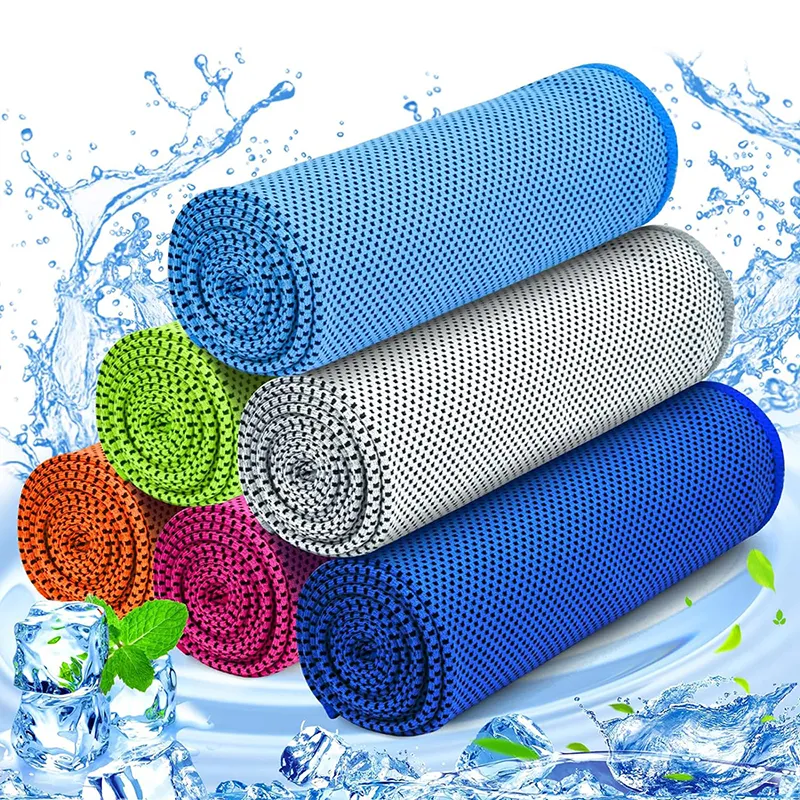
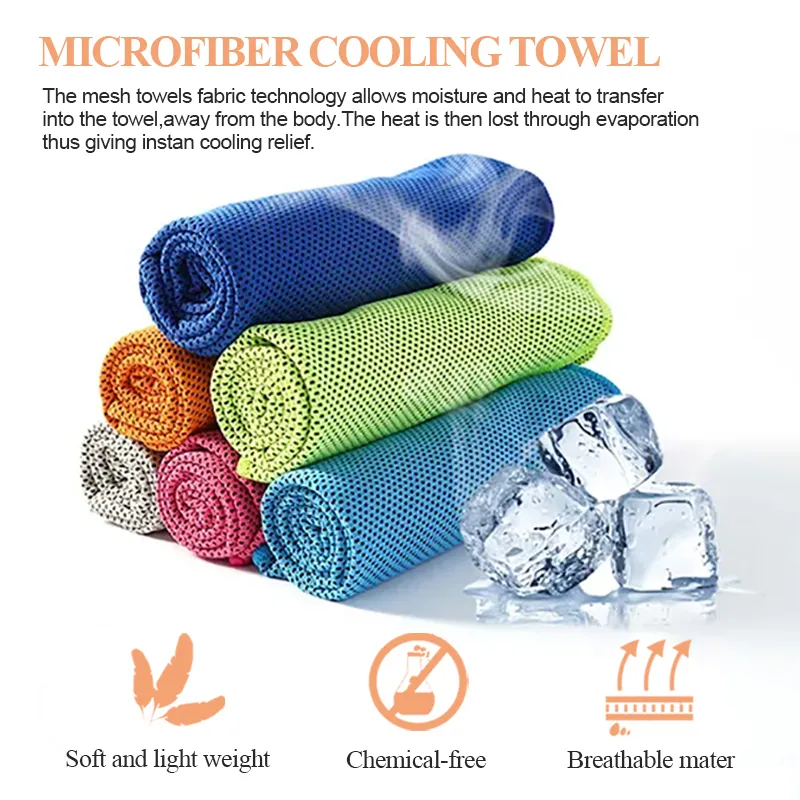
Why Properly Washing a Microfiber Cloth Matters
Microfiber is different from ordinary cotton fabric. Its ultra-fine synthetic fibers are designed to trap dust, grease, moisture, and bacteria more efficiently than traditional cloths.
That's why microfiber products are widely used for:
However, those tiny fibers can easily become clogged by oils, detergent residue, or fabric softeners.
A properly maintained microfiber cloth washable product stays absorbent and soft, while poorly washed cloths may leave streaks, lint, or unpleasant odors behind.
How to Wash Microfiber Cloth Correctly
Learning how to wash microfiber cloth products properly is simple once you understand a few basic rules.
Step 1: Separate Microfiber From Other Fabrics
Always wash microfiber separately from cotton towels, fleece, or lint-producing materials.
Microfiber naturally attracts lint, hair, and debris during washing. Mixing fabrics can reduce the cloth's cleaning performance afterward.
This is especially important for a microfiber glass cleaning cloth, since lint can leave visible streaks on mirrors and windows.
Step 2: Shake Out Dirt Before Washing
Before placing the cloths in the washing machine, shake them outdoors or over a trash bin to remove loose dust and particles.
For heavily soiled items like a microfiber cloth for car detailing, rinse away sand or dirt first to avoid abrasion during washing.
Step 3: Use Mild Liquid Detergent
Choose a gentle liquid detergent without fragrances, bleach, or fabric softeners.
Avoid powdered detergents whenever possible because they may leave residue trapped inside the microfiber fibers.
Here's a quick reference guide:
| Recommended | Avoid |
|---|
| Mild liquid detergent | Fabric softener |
| Warm water | Bleach |
| Gentle wash cycle | High heat |
| Air drying or low heat | Dryer sheets |
Fabric softeners are one of the biggest causes of damaged microfiber because they coat the fibers and reduce absorbency.
Step 4: Wash With Warm Water
Warm water is generally ideal for most microfiber cleaning cloth products. It helps loosen oils and dirt without damaging the fibers.
Extremely hot water should be avoided, especially for delicate products like a microfiber face cloth or microfiber cloth for makeup removal.
For household cleaning cloths, a standard warm wash cycle usually works well.
Step 5: Dry Carefully
Air drying is often the safest option for microfiber.
If you use a dryer, select low heat only. High temperatures can melt or flatten the microscopic fibers, reducing the cloth's effectiveness.
A high-quality microfiber cloth washable product should remain soft after repeated washes if cared for properly.
Best Washing Tips for Different Types of Microfiber Cloth
Different cleaning tasks expose microfiber to different residues. Adjusting your washing method slightly can help extend product life.
Microfiber Cloth for Car: What Detailers Need to Know
Car detailing towels face the toughest conditions—wax, polish compounds, brake dust, and road grime all end up in the fibers. The safest way to clean them is with a dedicated microfiber detergent or a mild liquid detergent free of additives. Wash in cold or warm water, and always run an extra rinse cycle to flush out chemical residues. Never use fabric softener or bleach, and always wash paint towels separately from wheel and engine bay towels to avoid cross-contamination that can lead to scratches.
Microfiber Glass Cleaning Cloth: Keeping Streaks Away
A microfiber glass cleaning cloth needs to be residue-free to deliver that crystal-clear, streak-free finish. Because glass cloths typically don't get as heavily soiled as kitchen or car towels, they may not need to be laundered as frequently. When you do wash them, use minimal detergent and always run a double rinse. Any detergent film left in the fibers will show up immediately as streaks on your mirrors and windows.
Microfiber Cloth for Cleaning Stainless Steel: Preventing Smudges
Stainless steel surfaces show every smudge and fingerprint, which means your cleaning cloth has to be perfectly clean. Wash stainless steel cloths with a small amount of mild detergent and avoid any fabric softener entirely—the coating fabric softener leaves behind is the enemy of a fingerprint-free finish. Air drying is recommended to preserve the cloth's polishing performance.
Microfiber Face Cloth and Microfiber Cloth for Makeup Removal
These cloths touch your skin, so gentle care is especially important. Use a fragrance-free, additive-free detergent to avoid any irritation, and wash them after every use to prevent bacteria buildup. A mesh laundry bag keeps them contained and protected during the cycle. Air drying is gentler on the delicate fibers, but low-heat machine drying works too—just skip the dryer sheets.
Microfiber Dusting Cloth: Preserve the Static Charge
Dusting cloths rely heavily on their electrostatic charge to attract and hold fine particles. Air drying is the best method, as it seems to help preserve the static properties that make these cloths so effective at capturing dust rather than just pushing it around.
Microfiber Cloth for Bathroom: Handling Moisture and Mildew
Bathroom cloths deal with moisture, soap scum, and the occasional mildew smell on a daily basis. To keep your bathroom cleaning cloth performing at its best, rinse it thoroughly after each use and hang it to dry before tossing it in the laundry hamper. A damp cloth sitting in a pile is a breeding ground for bacteria and odors. If a stubborn mildew smell develops, add half a cup of white vinegar to the wash cycle—it kills odor-causing bacteria without damaging the delicate fibers.
Common Mistakes When Washing Microfiber Cloth
Even premium microfiber can wear out quickly if cleaned incorrectly.
Using Fabric Softener: Fabric softener coats the fibers and dramatically reduces cleaning performance.
Washing With Cotton Towels: Cotton lint sticks easily to microfiber and can be difficult to remove afterward.
Using High Heat: Excessive heat damages microfiber structure and weakens absorbency.
Overusing Detergent: Too much detergent leaves residue trapped inside the fibers.
Not Washing Often Enough: Dirty microfiber spreads grime instead of trapping it effectively.
FAQs About Washing Microfiber Cloth
How often should I wash microfiber cloth?
Wash microfiber after every heavy cleaning use or whenever it becomes visibly dirty.
Can I wash microfiber cloth with regular laundry?
It's better to wash microfiber separately to avoid lint contamination from cotton fabrics.
Why does my microfiber cloth stop absorbing water?
This usually happens because of fabric softener, detergent residue, or heat damage.
Can I put microfiber cloth in the dryer?
Yes, but only on low heat. High temperatures can damage the fibers.
What is the best detergent for microfiber cleaning cloth?
A mild liquid detergent without bleach, fragrances, or fabric softener works best.